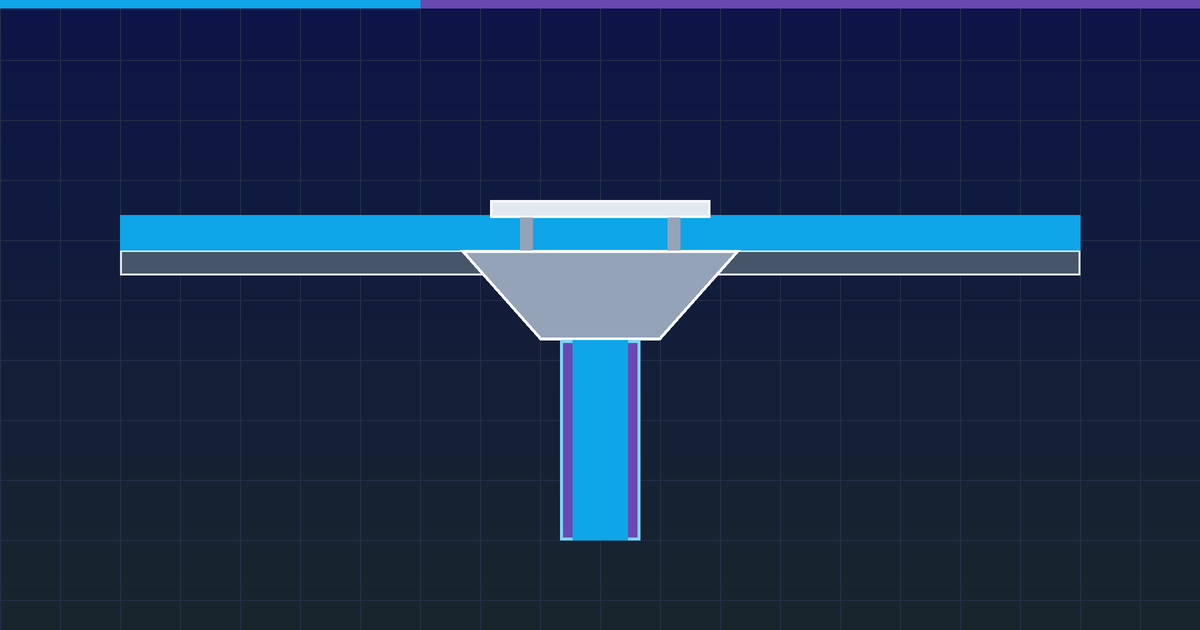
Mekong Delta and Southern Vietnam industrial flood resilience depends on rapid roof evacuation and controlled perimeter discharge during overlapping monsoon cloudbursts and high tides. EN 12056-3 siphonic roof drainage primes at 15 mm water depth, consolidates up to 80% of downpipes, and reduces peak storm runoff by up to 50% when paired with buffered site retention.
Dual Drainage Challenges in Low-Lying Southern Industrial Parks
Industrial zones across Long An, Tien Giang, Can Tho, and the wider Mekong Delta sit at low elevations where heavy tropical rain frequently coincides with tidal backwater in municipal canals. When conventional gravity downpipes discharge through numerous sub-slab trenches, tidal surcharge can back up into factory floors and overwhelm perimeter drains.
An EN 12056-3 siphonic roof drainage system keeps stormwater overhead at a 0% collector slope inside sealed PE100 HDPE pipes, routing up to 200–300 L/s per line to elevated perimeter discharge points or retention basins—protecting production floors from underground sewer surcharge.
How Siphonic Architecture Enhances Tidal & Flood Resilience
- Overhead Zero-Slope Routing: Eliminates up to 80% of sub-slab storm trenches, keeping drainage lines above flood-prone ground levels.
- Rapid 15 mm Priming: SS316L/SS304 anti-vortex outlets evacuate roof gutters before ponding can overload lightweight steel trusses.
- Controlled Perimeter Buffering: Consolidated downpipes discharge into hydraulic buffering chambers or retention ponds, cutting peak runoff by up to 50%.
- Corrosion & Climate Durability: PE100 HDPE piping resists humid, brackish industrial environments with a 50-year design life.
Flood-Resilient Drainage: Siphonic vs. Conventional Gravity in Low-Lying Zones
| Resilience Criterion | Siphonic System (EN 12056-3) | Conventional Gravity System | |---|---|---| | Sub-Slab Trenching | Reduced by up to 80% | Dense buried pipe grid vulnerable to surcharge | | Peak Storm Runoff Reduction | Up to 50% with perimeter buffering | Direct, unattenuated surge into canals | | Priming & Roof Safety | 15 mm priming depth; 6–8 m/s velocity | Slower open-channel evacuation | | Flow Capacity per Main | 150–300 L/s (proven at Suntory PepsiCo Long An) | Low capacity per sloped branch | | Cost & Civil Impact | 20% Capex savings; ~30% total savings | High dewatering and excavation cost |
Proven Performance in Southern Vietnam
At the 70,000 m² Suntory PepsiCo Long An plant in Southern Vietnam, Siphonet delivered high-capacity EN 12056-3 siphonic lines rated at 200–300 L/s, demonstrating reliable monsoon performance without internal downpipes.
Explore our Stormwater Solutions or review regional references in our Projects Portfolio.
Frequently Asked Questions
How does siphonic roof drainage protect factories in the Mekong Delta during high tide?
By routing stormwater overhead at a 0% slope and consolidating up to 80% of downpipes to the perimeter, siphonic systems eliminate most sub-slab storm trenches and allow controlled discharge into elevated retention basins or tide-gated stilling chambers.
Can siphonic systems handle extreme Southern Vietnam monsoon cloudbursts?
Yes. Siphonet's EN 12056-3 systems prime at a 15 mm water depth and achieve 6–8 m/s self-cleaning velocities, with single lines proven at 200–300 L/s on 70,000–150,000 m² roofs.
Does Siphonet design systems for specific Mekong Delta rainfall intensities?
Yes. Siphonet's hydraulic engineers model every roof using project-specific rainfall data, gutter geometry, and discharge elevation in compliance with EN 12056-3.
Request a Complimentary Siphonic Hydraulic Review SIPHONET JOINT STOCK COMPANY (Tax Code: 0111350715) N07-B1 Dich Vong, Cau Giay, Hanoi, Vietnam | Tel: +84 913 381 683 Email: siphonetjsc@gmail.com | moitruongnuoc@gmail.com | Web: https://www.siphonet.com/contact-engineering