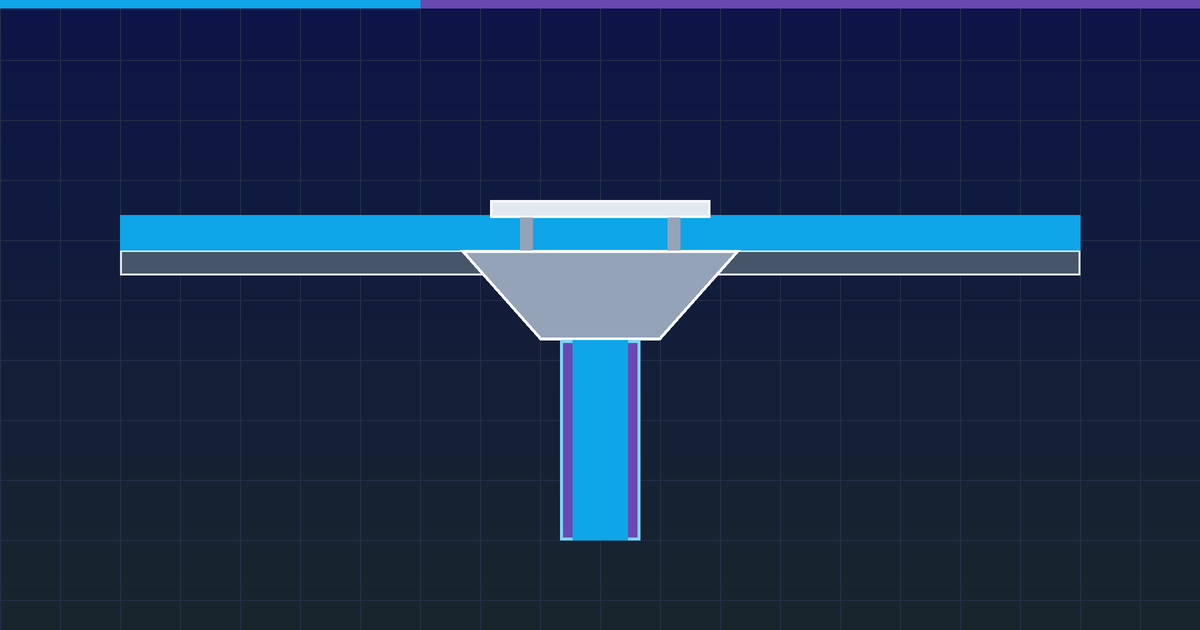
Sponge City policy alignment for Southeast Asian eco-industrial parks requires industrial developers to control peak stormwater runoff, expand on-site retention, and integrate sustainable urban drainage systems (SuDS). EN 12056-3 siphonic roof drainage supports these mandates by reducing peak storm runoff by up to 50% and consolidating downpipes by up to 80% into retention infrastructure.
Policy Shift Toward Sponge City Industrial Zones
Rapid industrialization across Vietnam, Thailand, Malaysia, and Indonesia has increased impervious roof and pavement coverage, straining municipal drainage canals during extreme monsoon events. In response, eco-industrial park guidelines and green-zone masterplans increasingly require developers to cap post-development peak runoff and incorporate Sponge City retention features.
Rather than treating factory roofs and ground-level parks separately, developers can integrate EN 12056-3 siphonic roof drainage as the primary roof-to-ground hydraulic link—delivering both policy compliance and ~30% total drainage savings.
How Siphonic Systems Satisfy Eco-Industrial SuDS Criteria
- Peak Runoff Attenuation (Up to 50%): Consolidated siphonic discharge feeds blue-green bioswales and detention basins rather than dumping unattenuated surges into municipal sewers.
- Reduced Underground Concrete Footprint: Up to 80% fewer downpipes and 80% less underground excavation preserve permeable site corridors for infiltration trenches and landscaping.
- Centralized Rainwater Reuse: 0%-slope PE100 HDPE collectors route clean roof water to shared cooling, irrigation, and fire-reserve cisterns.
- Verified International Standards: Designs comply with EN 12056-3 and ASME A112.6.9, providing auditable engineering documentation for park authorities.
Eco-Industrial Policy Alignment: Siphonic vs. Conventional Drainage
| Sponge City / SuDS Objective | Siphonic-Integrated Masterplan | Conventional Gravity Masterplan | |---|---|---| | Peak Storm Runoff Control | Up to 50% peak reduction via buffered discharge | Direct surge into municipal storm drains | | Downpipe & Trench Consolidation | Up to 80% fewer risers & buried trenches | Extensive concrete storm pipe network | | Roof-to-Bioswale Connectivity | Centralized perimeter tie-in points | Scattered outlets around building footprint | | Rainwater Harvesting Readiness | Overhead 0%-slope routing to central tanks | Costly sub-slab collection required | | Developer Capex & Lifecycle Cost | 20% Capex savings; ~30% total savings | Higher civil works & detention cost |
Proven Benchmark for Net-Zero & Eco-Industrial Campuses
Large-scale sustainable developments such as the 150,000 m² LEGO Manufacturing Vietnam facility demonstrate how Siphonet's engineered siphonic systems align industrial roof safety with ambitious environmental masterplans.
Explore our Stormwater Solutions or review turnkey delivery scopes on our Engineering Services page.
Frequently Asked Questions
How does siphonic roof drainage help an industrial park meet Sponge City policies?
Siphonic systems consolidate up to 80% of downpipes into strategic perimeter discharge points, enabling developers to route roof runoff directly into retention ponds, bioswales, and reuse cisterns—cutting peak storm runoff by up to 50%.
Does Sponge City compliance increase factory drainage Capex?
No. When EN 12056-3 siphonic roof drainage is specified early, developers achieve 20% Capex savings and approximately 30% total drainage savings by eliminating up to 80% of underground storm trenching.
Can existing industrial parks retrofit siphonic drainage to meet new stormwater caps?
Yes. Overhead 0%-slope PE100 HDPE collectors can be installed inside existing structures to redirect roof runoff toward new perimeter detention or reuse tanks without disrupting factory floor slabs.
Request a Complimentary Siphonic Hydraulic Review SIPHONET JOINT STOCK COMPANY (Tax Code: 0111350715) N07-B1 Dich Vong, Cau Giay, Hanoi, Vietnam | Tel: +84 913 381 683 Email: siphonetjsc@gmail.com | moitruongnuoc@gmail.com | Web: https://www.siphonet.com/contact-engineering