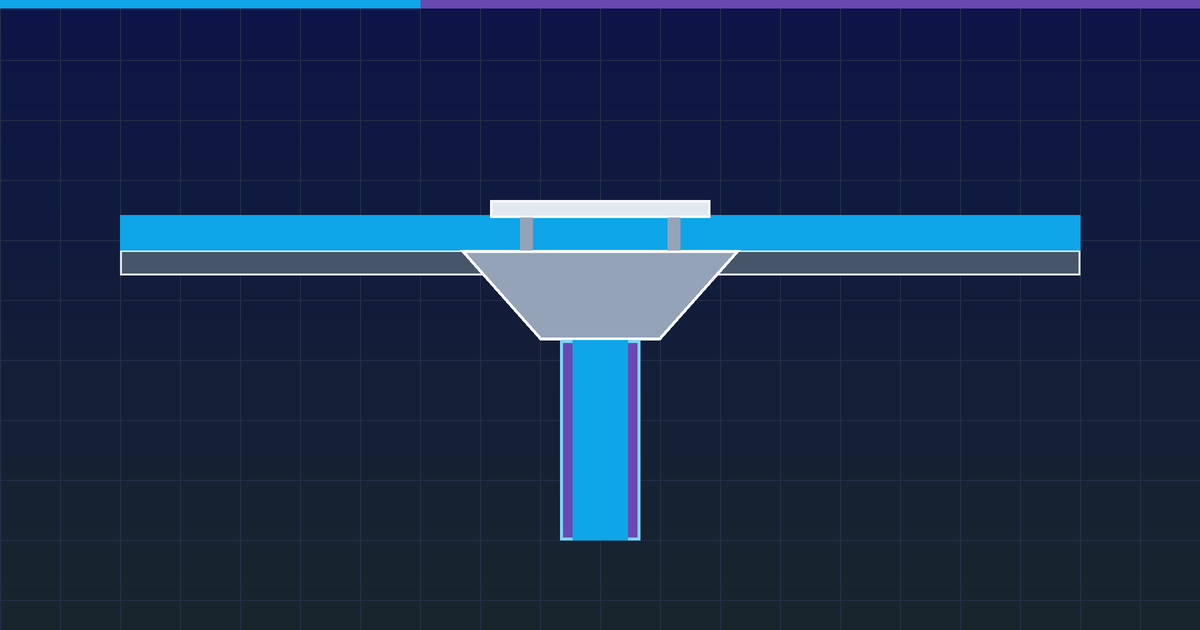
Port and container terminal warehouse drainage under salt-spray exposure requires marine-grade corrosion resistance and high-capacity storm evacuation. By combining SS316L anti-vortex roof outlets with electrofusion PE100 HDPE piping, EN 12056-3 siphonic systems eliminate internal downpipes in high-bay cargo sheds while withstanding coastal humidity, wind-driven salt spray, and tidal storms.
Why Coastal Port Warehouses Fail with Conventional Drainage
Seaport logistics hubs and container terminal warehouses operate in aggressive marine atmospheres where airborne chlorides rapidly corrode galvanized steel gutters, cast-iron drains, and exposed mechanical pipe clamps. At the same time, port warehouses require maximum unobstructed floor space for reach-stackers, container racking, and cross-docking lanes.
Deploying an EN 12056-3 siphonic roof drainage system removes up to 80% of downpipes and keeps collectors overhead at a 0% slope. Choosing SS316L anti-vortex roof outlets over standard grades protects the roof interface from pitting corrosion throughout decades of coastal exposure.
Marine-Grade Siphonic Material Specification
- SS316L Anti-Vortex Roof Outlets: Molybdenum-alloyed stainless steel resists chloride pitting and crevice corrosion at the roof deck, achieving 15 mm priming depth across models S56 to S125 (12–60 L/s).
- PE100 HDPE Piping (dn50–dn315 SDR26): Completely immune to salt-spray rust and acid rain, offering a 50-year design service life and 6–8 m/s self-cleaning flow velocity.
- Electrofusion Monolithic Welds: Eliminates rubber-gasketed joints that dry out or leak under coastal thermal cycling and wind-induced roof uplift.
- Corrosion-Protected Rail Anchors: Anti-vibration rail systems stabilize 0%-slope mains against high coastal wind gusts and hydraulic thrust.
Port Warehouse Drainage: Marine-Grade Siphonic vs. Conventional Gravity
| Coastal Logistics Criterion | Siphonic (SS316L + PE100 HDPE) | Conventional Gravity Drainage | |---|---|---| | Salt-Spray Corrosion Resistance | SS316L outlets + rust-proof PE100 HDPE | Galvanized/cast-iron parts corrode rapidly | | Cargo Floor Clearance | Up to 80% fewer risers; zero internal columns | Interior downpipes obstruct cargo handling | | Coastal Storm Evacuation | 15 mm priming; 200–300 L/s main capacity | Slower open-channel flow; ponding risk | | Sub-Slab & Tidal Resilience | Up to 80% less underground trenching | Buried pipes exposed to coastal water tables | | Lifecycle Cost Efficiency | 20% Capex savings; ~30% total savings | Frequent corrosion repair & trenching costs |
Integrated Coastal Flood & Port Resilience
When paired with coastal sewer surcharge mitigation, siphonic roof drainage protects port cargo from both roof leaks and ground-level storm surges.
Review Siphonet's Engineering Services or explore large-scale logistics references in our Projects Portfolio.
Frequently Asked Questions
Why is SS316L specified instead of SS304 for port and coastal warehouses?
SS316L contains molybdenum, which provides significantly higher resistance to chloride pitting and crevice corrosion in salt-spray marine environments than SS304, extending roof outlet service life.
How does PE100 HDPE perform in coastal port facilities?
PE100 HDPE is naturally immune to rust, salt-spray corrosion, and chemical degradation, with a 50-year design life and monolithic electrofusion joints that remain airtight under wind vibration.
Can siphonic drainage eliminate internal columns in wide-span container warehouses?
Yes. By consolidating up to 80% of downpipes to the building perimeter via 0%-slope overhead collectors, siphonic systems keep cargo-handling bays completely clear.
Request a Complimentary Siphonic Hydraulic Review SIPHONET JOINT STOCK COMPANY (Tax Code: 0111350715) N07-B1 Dich Vong, Cau Giay, Hanoi, Vietnam | Tel: +84 913 381 683 Email: siphonetjsc@gmail.com | moitruongnuoc@gmail.com | Web: https://www.siphonet.com/contact-engineering