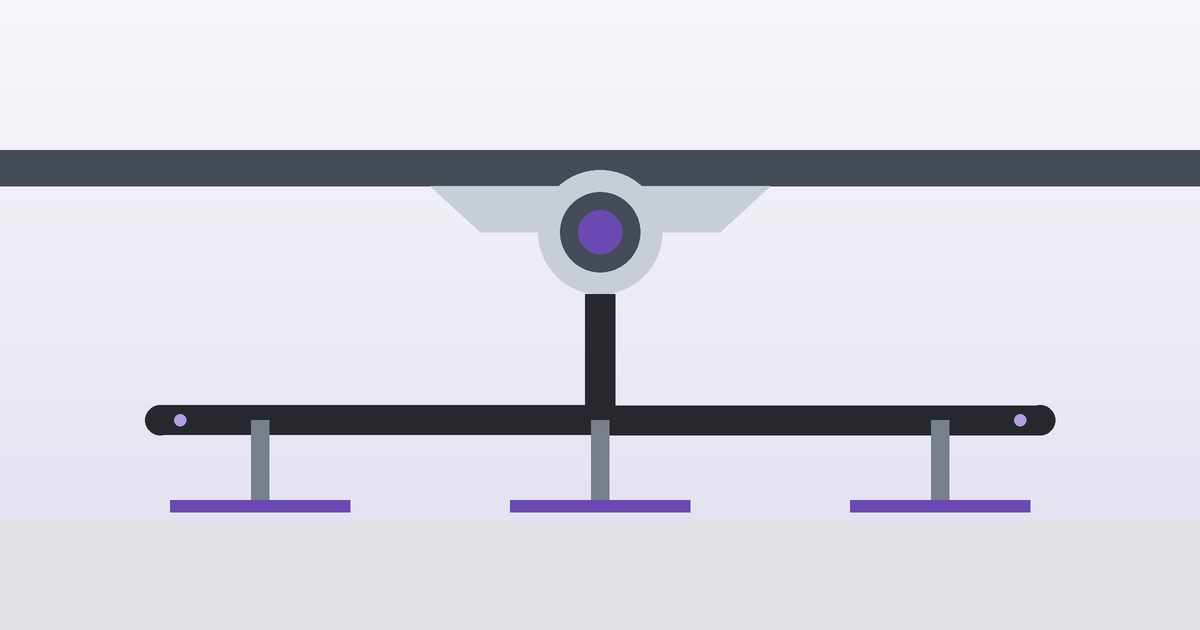
Large industrial facilities and aviation terminals face recurring drainage problems when roof outlets, piping, roof supports and hydraulic design come from separate suppliers. Responsibility for performance then spreads across several parties, and issues such as air entry or uneven collector routing often appear only during commissioning or heavy rain. SIPHONET JOINT STOCK COMPANY addresses this with a siphonic drainage ecosystem designed to EN 12056-3 and ASME A112.6.9. The ecosystem combines SS316/SS304 roof outlets, electrofusion PE100 HDPE piping, anti-vibration rail systems, hydraulic simulation, BIM coordination and installation support. Project-specific design assumptions are confirmed by Siphonet hydraulic engineers.
The Siphonic Drainage Ecosystem: Hardware, Design and Installation
Siphonet's approach links three layers that are often procured separately. The first is the hardware layer: roof outlets, piping and supports that must operate as one assembly. The second is the design layer, where hydraulic calculation and simulation check how the collectors behave before fabrication. The third is the delivery layer, which covers HDPE supply, installation and commissioning. All three layers draw on the same design basis, so the parts specified in the design are the parts that reach the site.
This structure matters because a siphonic system depends on the whole loop. A roof outlet that primes correctly still needs pipe and supports that hold their alignment under full-bore flow. The ecosystem is built to keep those elements consistent from the drawing to the roof.
Core Hardware Components
Siphonet's published hardware includes three main components, available through its [siphonic products catalogue](/products):
- SS316/SS304 roof outlets, including SS316L anti-vortex outlets designed to prevent vortex formation as storm water enters the pipe network. Siphonet's published priming depth is 15 mm.
- Electrofusion HDPE piping (PE100), joined by electrofusion welding into continuous joints for negative-pressure operation. Horizontal collectors are published at 0% slope.
- Anti-vibration rail systems that hold PE100 collectors to the roof structure while the system carries dynamic flow.
Stainless grade, pipe classes and support details depend on the project's exposure and roof framing. Siphonet hydraulic engineers confirm these selections for each project.
Hydraulic Simulation, Testing and BIM Coordination
Hardware alone does not ensure siphonic performance. Collector branches of different lengths and elevations must be checked together, which is why Siphonet offers [hydraulic simulation, testing and BIM modelling](/technology). This work happens before fabrication or site installation begins, so collector routes can be aligned with roof trusses and overhead MEP services.
Siphonet's published team includes a Chief Technology Officer, a Chief Operating Officer, a Head of BIM & Hydraulic Simulation, and a Chief Quality & HDPE Systems Engineer. Storm return-period criteria, field testing protocols and any calculation outside Siphonet's published baseline are confirmed by Siphonet hydraulic engineers before they are used on a project.
Services From Design to Commissioning
Siphonet's [engineering services](/services) cover three stages: hydraulic design and calculation, siphonic roof outlet and HDPE supply, and installation and commissioning. Clients can use these services separately or together, depending on how the project is procured. The [engineer hub](/engineers-hub) provides technical resources, and a [design request](/contact-engineering) starts the hydraulic review for a specific roof.
Where the Ecosystem Is Applied
Siphonet's published [drainage solutions](/solutions) cover mega-span roofs, aviation terminals, industrial and logistics parks, food and beverage plants, automotive and heavy industry facilities, and flooring manufacturing sites. In these buildings, removing internal downpipes can leave more floor space for production lines, automated warehousing and passenger areas, while reducing underground civil drainage work. Use in building types or operating conditions outside this published scope is subject to confirmation by Siphonet hydraulic engineers.
Published Benefits and Reference Projects
Siphonet's published figures include 0% collector slope, up to 80% downpipe consolidation, 20% Capex savings, approximately 30% total savings and up to 50% peak storm runoff reduction. A testimonial from a project with a 42,000 m² roof reports that 76% of internal downpipes were eliminated.
Published [reference projects](/projects) include:
- VinFast Vung Ang Phase 2 (automotive & heavy industry): 150,000 m² roof area, 200–300 L/s per line.
- LEGO Manufacturing Vietnam (industrial & logistics): 150,000 m² roof area.
- Huali Flooring (Thai Nguyen) (industrial & logistics): 80,000 m² roof area, 200–250 L/s per line.
- Suntory PepsiCo Long An (food & beverage): 70,000 m² roof area, 200–300 L/s per line.
- Hinro Soju (Hung Yen) (food & beverage): 25,000 m² roof area, 150–200 L/s per line.
- Noi Bai T2 Expansion (aviation & transit): 20,000 m² roof area.
Engineers and project owners can download BIM and technical resources from the [engineer hub](/engineers-hub). To discuss a siphonic drainage ecosystem for a specific project, contact SIPHONET JOINT STOCK COMPANY (Tax code: 0111350715), N07-B1 Dich Vong, Cau Giay, Hanoi, Vietnam. Phone: +84 913 381 683. Email: siphonet@gmail.com. Website: siphonet.com.





