Skip to main engineering content
SIPHNET
All Technical Articles
Engineering Guide1 min read2026-11-17

Siphonic Drainage and Rainwater Harvesting for Mega-Span Roofs

Why treating rainwater harvesting as a standalone add-on fails—and how pairing it upstream with zero-slope siphonic pipes transforms industrial water reuse.

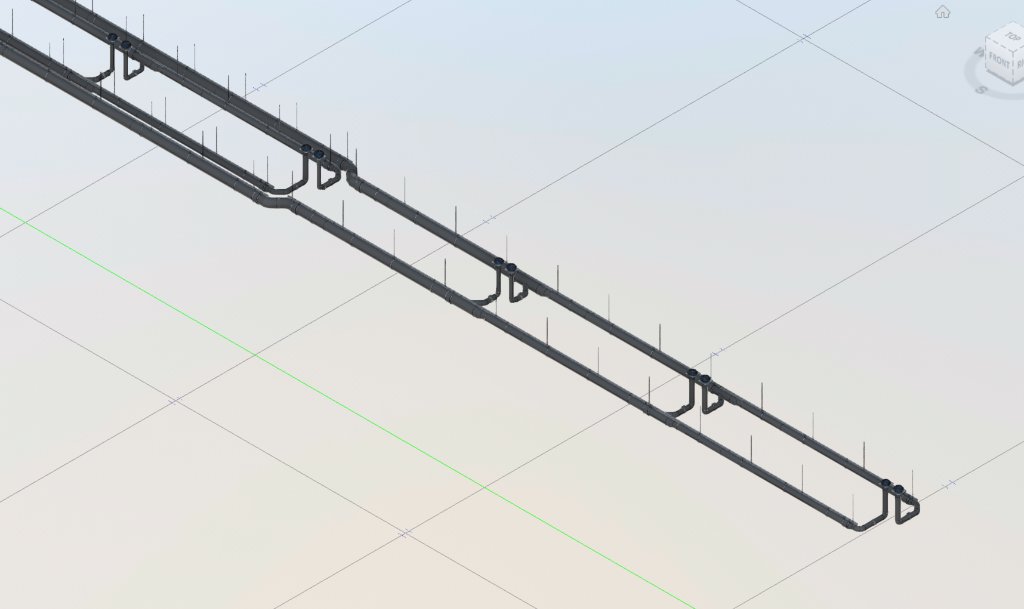
3D BIM detail of twin siphonic roof outlets with swept Y-junction tailpipes

1. Synergistic Pairing of Siphonic Downpipes and Rainwater Harvesting

Rainwater harvesting in commercial and industrial facilities often suffers from inefficient catchment: conventional gravity systems disperse stormwater across dozens of internal downpipes, requiring costly underground collection networks to converge at a centralized detention tank.

2. The Siphonic Advantage for Centralized Storage

By consolidating runoff from thousands of square meters into only a few perimeter downpipes, siphonic systems route clean rainwater directly into above-ground or basement storage cisterns without pumps or extensive buried infrastructure:

  • Single Consolidated Intake: Up to 100% of roof catchment is delivered to one or two treatment and filtration points.
  • High Self-Cleansing Velocity: Velovities exceeding 2.5 m/s prevent organic slime and silt from coating internal collector walls.
  • Lower Pumping Energy: Utilizing the high velocity of building elevation fall directly fills detention chambers, slashing green building pumping energy.
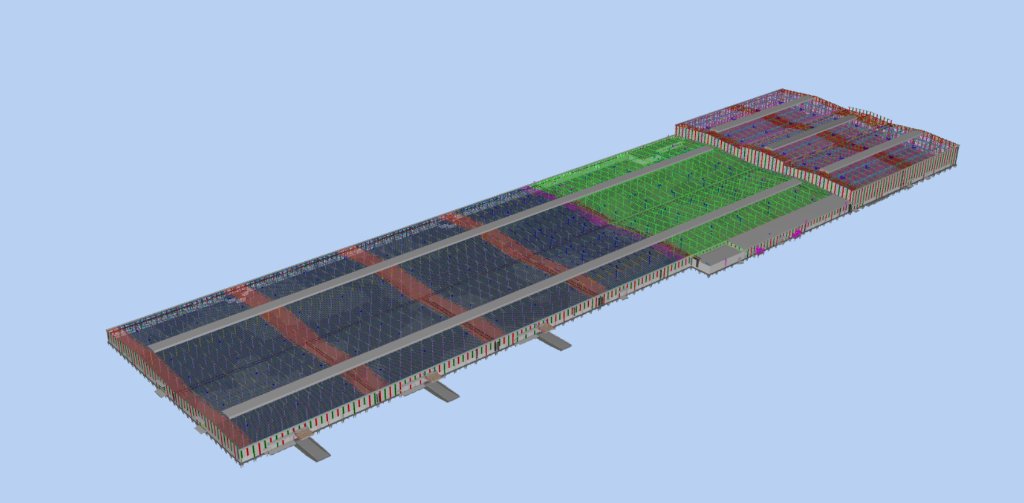
Full-building Revit BIM zoning model for mega-factory siphonic roof drainage
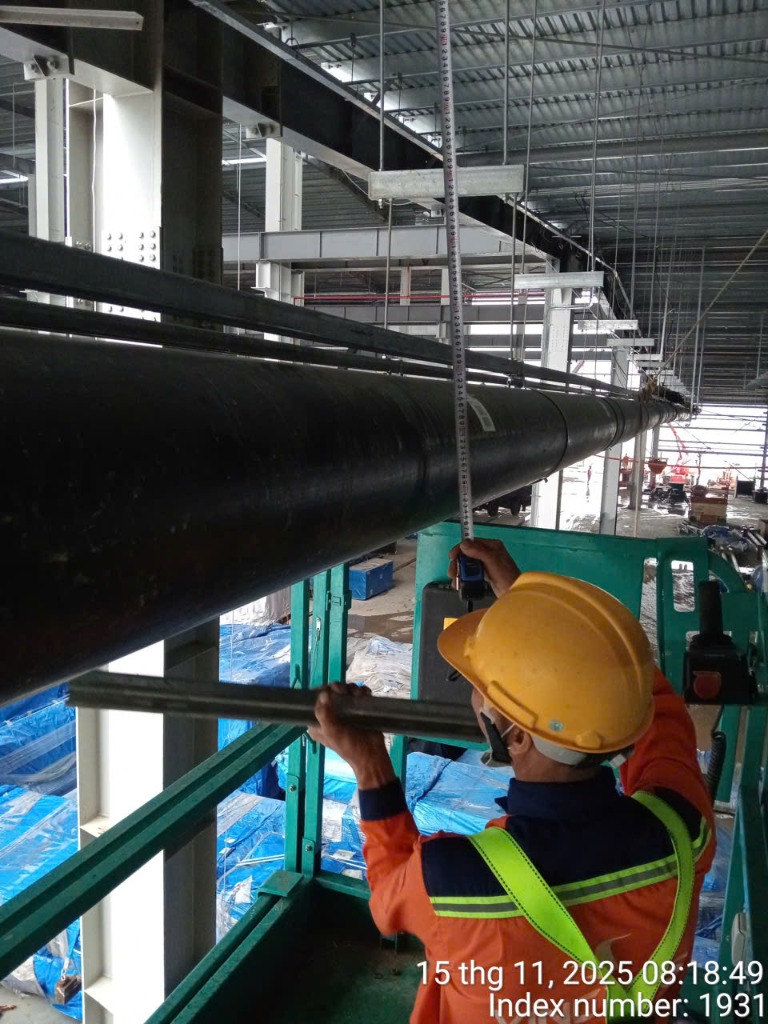
MEP engineer verifying zero-slope horizontal HDPE siphonic collector elevation
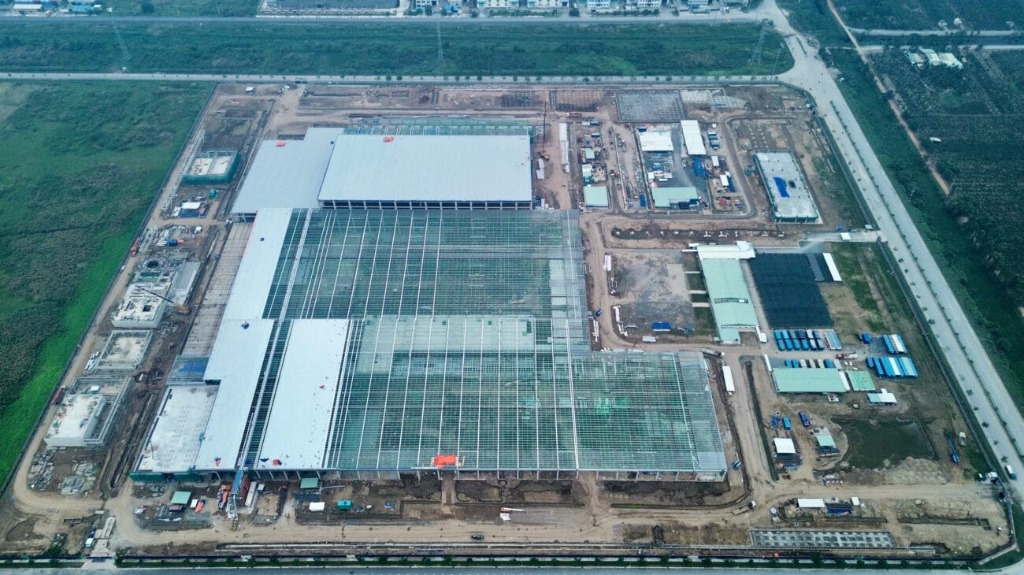
Aerial view of wide-span industrial steel roof under construction
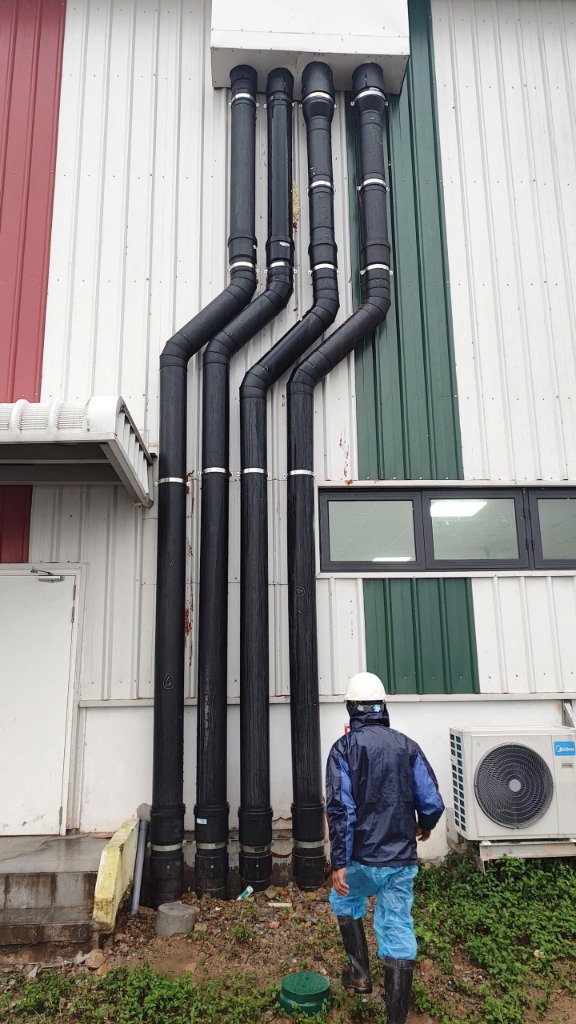
Engineer inspecting 4-pipe HDPE siphonic perimeter downpipe offset assembly
#Siphonic Drainage#Rainwater Harvesting#ESG#EN 12056-3

Engineering Guide

Related Articles in This Category

Explore more engineering articles in Engineering Guide

View all in category
Sponge City Policy Alignment for Southeast Asian Eco-Industrial Parks
Engineering Guide3 min read

Sponge City Policy Alignment for Southeast Asian Eco-Industrial Parks

Sponge City policy alignment for Southeast Asian eco-industrial parks requires industrial developers to control peak stormwater runoff, expand on-site retention, and integrate sustainable urban drainage systems (SuDS). EN 12056-3 siphonic roof drainage supports these mandates by reducing peak storm

Read article
Real-Time Rainfall Monitoring and Predictive Maintenance for Siphonic Roof Networks
Engineering Guide3 min read

Real-Time Rainfall Monitoring and Predictive Maintenance for Siphonic Roof Networks

Real-time rainfall monitoring and predictive maintenance for siphonic roof networks keep EN 12056-3 mega-roofs operating at peak 6–8 m/s self-cleaning capacity before tropical cloudbursts strike. By combining gutter water-level sensors, scheduled leaf-guard cleaning, and clamp-ring inspections, indu

Read article
Port and Container Terminal Warehouse Drainage Under Salt-Spray Exposure
Engineering Guide3 min read

Port and Container Terminal Warehouse Drainage Under Salt-Spray Exposure

Port and container terminal warehouse drainage under salt-spray exposure requires marine-grade corrosion resistance and high-capacity storm evacuation. By combining SS316L anti-vortex roof outlets with electrofusion PE100 HDPE piping, EN 12056-3 siphonic systems eliminate internal downpipes in high-

Read article
Mekong Delta & Southern Vietnam Industrial Flood Resilience with Siphonic Roofs
Engineering Guide3 min read

Mekong Delta & Southern Vietnam Industrial Flood Resilience with Siphonic Roofs

Mekong Delta and Southern Vietnam industrial flood resilience depends on rapid roof evacuation and controlled perimeter discharge during overlapping monsoon cloudbursts and high tides. EN 12056-3 siphonic roof drainage primes at 15 mm water depth, consolidates up to 80% of downpipes, and reduces pea

Read article
Siphonic Drainage for Distilleries and Compact Process Plants: Hinro Soju 25,000 m²
Engineering Guide3 min read

Siphonic Drainage for Distilleries and Compact Process Plants: Hinro Soju 25,000 m²

Siphonic drainage for distilleries and compact process plants—proven on the 25,000 m² Hinro Soju facility in Hung Yen—delivers 150–200 L/s per collector line while keeping dense fermentation and bottling halls free of internal downpipes. Using 0%-slope PE100 HDPE piping and SS316L/SS304 anti-vortex

Read article
Closed-Loop Rainwater Harvesting for Textile Dyeing and Finishing Factories
Engineering Guide3 min read

Closed-Loop Rainwater Harvesting for Textile Dyeing and Finishing Factories

Closed-loop rainwater harvesting for textile dyeing and finishing factories captures clean roof runoff through 0%-slope EN 12056-3 siphonic collectors to offset high municipal process-water consumption. By consolidating up to 80% of downpipes into centralized treatment cisterns, textile plants reduc

Read article