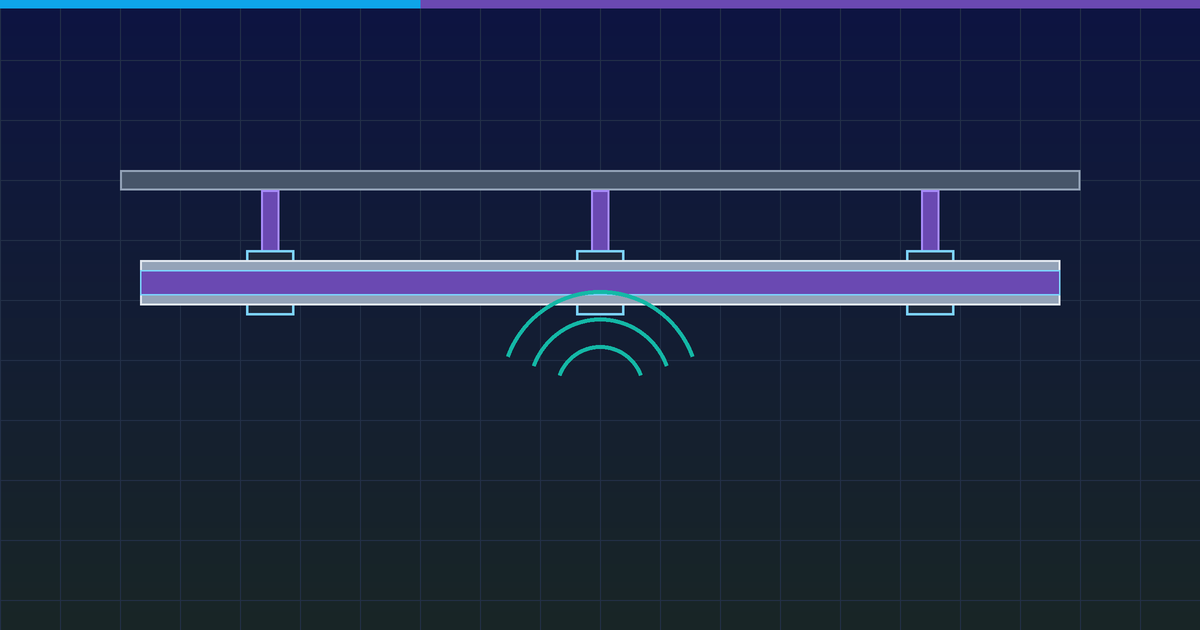
Acoustic noise control in high-velocity siphonic roof drainage downpipes ensures quiet interior environments in aviation terminals, R&D centers, and commercial-grade industrial offices. Because EN 12056-3 siphonic pipes convey stormwater at 6–8 m/s under negative pressure, combining PE100 HDPE piping, anti-vibration rail systems, and targeted acoustic insulation effectively dampens airborne and structure-borne sound.
Understanding Acoustic Behavior in Siphonic Pipework
In an EN 12056-3 siphonic roof drainage system, full-bore flow eliminates the air-water turbulence typical of partially filled gravity drains once the system primes at 15 mm water depth. However, during the brief priming transition—and due to high-velocity 6–8 m/s flow through vertical downpipes and 90° transitions—hydraulic energy can generate vibration if pipes are rigidly clamped directly to lightweight steel purlins.
On sensitive structures such as the 20,000 m² Noi Bai T2 Expansion, engineering teams address both structure-borne vibration and airborne pipe noise during the BIM and hydraulic design phase.
Three-Layer Acoustic Engineering Strategy
- Perimeter Downpipe Consolidation: Because siphonic drainage reduces downpipes by up to 80%, risers are routed along exterior columns or inside dedicated acoustic shafts rather than through occupied rooms.
- Anti-Vibration Rail Isolation: Siphonet anti-vibration rail systems decouple PE100 HDPE collectors from the structural steel frame, absorbing hydraulic thrust and preventing structural resonance.
- PE100 HDPE Damping & Acoustic Wrapping: Inherently flexible PE100 HDPE walls absorb more acoustic energy than rigid cast iron or thin-wall uPVC; in noise-sensitive ceiling plenums, engineers add closed-cell elastomeric or mineral-wool acoustic lagging.
Acoustic Control Comparison: Siphonic PE100 vs. Gravity Piping
| Acoustic & Structural Factor | Siphonic PE100 HDPE + Anti-Vibration Rail | Conventional Gravity Pipework | |---|---|---| | Downpipe Location | Consolidated at perimeter / service shafts | Distributed throughout interior columns | | Pipe Wall Acoustic Damping | High-density PE100 absorbs vibration | Rigid uPVC / thin metal transmits sound | | Structural Decoupling | Engineered anti-vibration rail & clamps | Standard rigid pipe hangers | | Air-Water Sloshing | Eliminated during full-bore 6–8 m/s flow | Continuous air-water mixing noise | | Insulation Scope | Targeted to sensitive ceiling zones only | Extensive wrapping across many risers |
Protecting Quiet Zones in Aviation and R&D Facilities
By integrating acoustic control early into electrofusion PE100 HDPE and rail specifications, architects and MEP consultants achieve both mega-span drainage capacity and comfortable interior acoustics.
Explore Siphonet's Engineering Services or review completed terminal and industrial projects in our Projects Portfolio.
Frequently Asked Questions
Are siphonic roof drainage pipes louder than conventional gravity pipes?
Once primed at 15 mm depth, full-bore siphonic flow eliminates air-water sloshing. With PE100 HDPE piping, anti-vibration rail isolation, and perimeter riser consolidation, interior noise is effectively controlled—even in aviation terminals.
How do anti-vibration rail systems reduce siphonic pipe noise?
Anti-vibration rails isolate the PE100 HDPE pipe from the building's steel trusses and purlins, preventing hydraulic thrust and flow-induced vibration from transmitting into the structure.
Where is acoustic insulation recommended on siphonic systems?
Acoustic lagging is typically applied only where horizontal collectors pass above noise-sensitive spaces such as terminal concourses, offices, or R&D laboratories, rather than across the entire warehouse roof.
Request a Complimentary Siphonic Hydraulic Review SIPHONET JOINT STOCK COMPANY (Tax Code: 0111350715) N07-B1 Dich Vong, Cau Giay, Hanoi, Vietnam | Tel: +84 913 381 683 Email: siphonetjsc@gmail.com | moitruongnuoc@gmail.com | Web: https://www.siphonet.com/contact-engineering





